
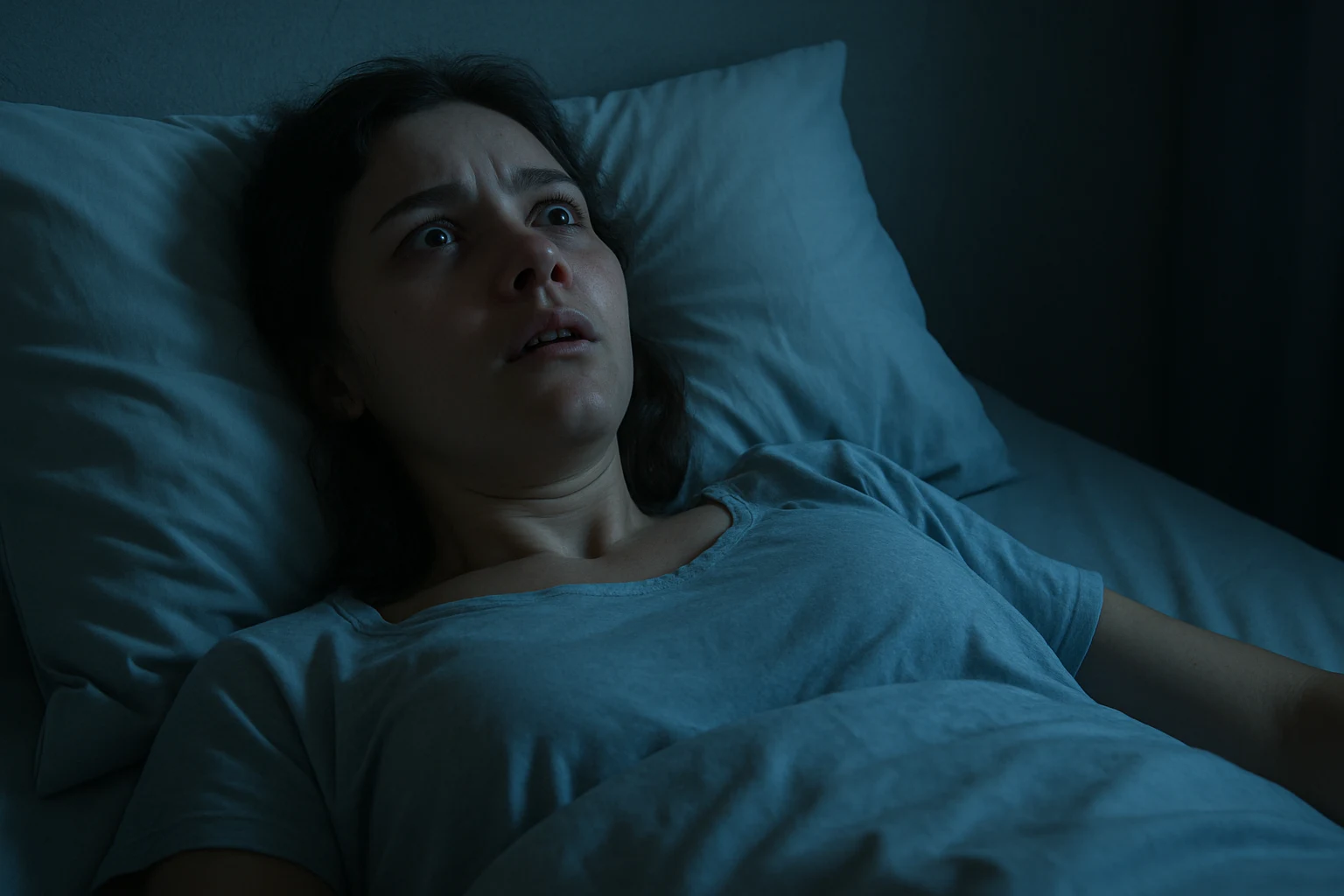
Waking up unable to move, breathe normally, or call out for help can be one of the most terrifying experiences a person encounters. This condition—known as sleep paralysis—is more common than many realize, yet deeply misunderstood. While the episodes are not dangerous, they can create intense fear, anxiety, and ongoing sleep disturbance if left unaddressed.
At Sonno Sleep Centers, we help patients understand why these episodes occur, how to recognize the signs, and what steps can be taken to reduce their frequency. When you understand the science behind sleep paralysis, you gain the confidence and tools to regain control of your nights.
What Causes sleep paralysis episodes?
During normal sleep, the body cycles through different stages, including deep sleep and REM sleep. REM is the stage associated with vivid dreaming and temporary muscle atonia—a natural paralysis that keeps you from physically acting out your dreams. Sleep paralysis episodes occur when your mind wakes up before your body does, leaving you conscious while still unable to move.
This disconnect between brain and body can last a few seconds or up to several minutes. While it can feel like suffocating, the body continues to breathe normally. The inability to move or speak is temporary, but the emotional impact can linger long after the episode ends.
Recognizing sleep paralysis symptoms
Many people who experience sleep paralysis are unsure whether it’s a medical event, a nightmare, or something more unusual. Understanding common sleep paralysis symptoms can help clarify what’s happening:
- Inability to move or speak while falling asleep or waking up
- Chest pressure or difficulty breathing
- Sensation of being watched or not being alone
- Fear, panic, or overwhelming dread
- Rapid heartbeat
- Brief episodes lasting seconds to minutes
Because the mind is alert while the body remains immobile, the experience creates a unique blend of consciousness and vulnerability.
Why nighttime hallucinations Are So Common
One of the most unsettling features of sleep paralysis is the presence of nighttime hallucinations. These hallucinations occur because the brain is partially in REM mode—still producing dream imagery—while simultaneously awake.
These experiences can include:
- Hearing footsteps, whispers, or voices
- Seeing shadows or figures in the room
- Feeling a presence near the bed
- Sensations of floating, falling, or being touched
Although these hallucinations can feel real and terrifying, they are harmless manifestations of dream activity bleeding into wakefulness.

Understanding the Link Between Anxiety, Stress, and Paralysis
There is a strong connection between mental health and sleep paralysis. High levels of stress, poor sleep quality, and irregular schedules all increase vulnerability. This relationship—described as stress and sleep paralysis—is well documented across sleep research.
Common triggers include:
- Chronic stress or emotional pressure
- Anxiety disorders
- Sleep deprivation
- Shift work or inconsistent sleep schedules
- Jet lag or frequent travel
- Sleeping on your back
Because stress disrupts REM transitions, it creates the perfect environment for sleep paralysis to occur.
How REM Works and Why It Matters
Understanding REM sleep is essential to understanding sleep paralysis. During REM:
- The brain becomes highly active
- Dreaming intensifies
- Breathing becomes irregular
- Muscles enter temporary paralysis
- The body’s nervous system processes emotional memory
If the brain wakes up before REM atonia fades, sleep paralysis happens. When this misalignment occurs repeatedly, it may indicate an underlying sleep issue that requires evaluation.
Addressing the Condition with treatment for sleep paralysis
While sleep paralysis is typically harmless, frequent episodes can interfere with emotional well-being and quality of life. Effective treatment for sleep paralysis focuses on correcting sleep patterns, reducing stress, and addressing any underlying sleep disorders.
Common approaches include:
- Improving sleep hygiene: Consistent bedtimes, limiting screens, and lowering evening stimulation.
- Stress reduction techniques: Mindfulness, breathing exercises, and therapy when needed.
- Adjusting sleep position: Sleeping on your side instead of on your back.
- Addressing coexisting conditions: Such as insomnia, anxiety, or disrupted sleep patterns.
- Medical evaluation: A sleep specialist may recommend testing to rule out narcolepsy or REM-related disorders if episodes are frequent.
Why Sleep Paralysis Should Never Be Ignored
While it may not cause physical harm, sleep paralysis can severely affect mental well-being, sleep confidence, and overall quality of life. Frequent episodes may point to larger sleep-related issues, including stress overload, circadian rhythm disruption, or underlying neurological conditions. Understanding the cause is the first step toward reclaiming peaceful nights.
Sonno Sleep Centers specializes in evaluating and treating sleep disturbances, offering precise diagnostic tools and personalized care. If sleep paralysis affects your rest or creates nighttime anxiety, a sleep expert can help identify the cause and guide you toward lasting relief.
Conclusion
Sleep paralysis can be frightening, confusing, and emotionally draining—but it is also manageable and highly treatable. By understanding how it works, recognizing the triggers, and adopting healthy sleep habits, you can take control of your nights again. With proper guidance and support, it’s possible to significantly reduce episodes and restore a sense of safety and calm during sleep. When your body and mind realign, restful sleep becomes not only possible but predictable.